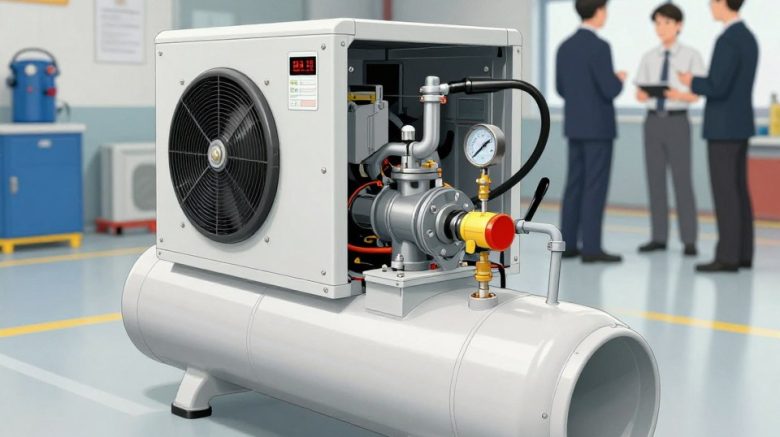
Are you aware that a ruptured compressed air system can unleash force comparable to a stick of dynamite? Numerous plants continue to use plumbing setups built with risky materials, ignoring the risks. This guide clarifies why safety should come first.
Best Website To Purchase PVC Pipe For Compressed Air
Despite rising curiosity in particular materials, OSHA rigidly prohibits their use in above-ground applications. Eventually, exposure to oils and thermal fluctuations weakens them, causing major breakdowns. Even at “safe” pressure ratings, the risk of bursts stays significant.
For dependable options, Installation Parts Supply provides durable solutions like aluminium. Spending on proper materials prevents expensive penalties and keeps workplaces protected. We will examine how to construct a safer setup.
Key Takeaways
- OSHA bans specific plastics because of burst hazards.
- PSI limits decrease as temps vary.
- Fragility worsens over time, increasing breakage chances.
- Aluminum piping presents a more secure substitute.
- Correct installation avoids expensive fines and accidents.
Why PVC Pipe Is Dangerous For Compressed Air Systems
Producers specifically caution against utilizing certain polymers for high-pressure uses. In contrast to water, compressed air holds volatile power—a burst pipe can release impact comparable to explosives. This makes component
choice critical for protection.
- Brittleness: Low temps make pipes fragile, increasing fracture risks.
- Glue breakdowns: Connections deteriorate when exposed to lubricants or temperature swings.
- Misleading ratings: Pressure capacity falls by half at 110°F—many workshops surpass this.

OSHA references a $110,000 fine following a plant’s system exploded, harming employees. The “heat of compression” additionally lowers safety margins, a factor frequently missed in ratings.
“Above-ground use of specific polymers for compressed air violates safety regulations owing to explosion risks.”
Metallic options fail in a predictable way, bending rather than shattering. On the other hand, plastic debris from bursts can travel over fifty ft, lodging in structures or equipment.
Facilities encounter daily thermal changes that speed up material degradation. Over 10 years, UV exposure and chemical interactions further weaken structure, transforming minor leaks into major hazards.
Better Options Than PVC For Air Lines
Aluminum pipe setups surpass conventional choices in both protection and performance. Boasting 90% fewer leaks compared to black pipe, they’re a prime selection for modern buildings. Their light construction and corrosion resistance render them perfect for long-term use.
Aluminum modular setups reduce hours—no threading required. Installation Parts Supply offers pre-assembled sections that snap together. A Midwest car factory cut work expenses by forty percent following adopting this system.
- Copper: Ideal for sterile areas because of anti-bacterial traits. Requires skilled brazing.
- Stainless Steel: Resists corrosion in damp locations like seaside shops.
- ABS/HDPE: Chemical-resistant for labs and factories using solvents.
“Our aluminum retrofit cut power loss by fifteen percent—covering costs in a year and a half.”
Torque matters. Over-tightened fittings crack, while under-tightened ones leak. Follow maker guidelines—usually 25–30 ft-lbs for aluminum joints.
For food-grade applications, NSF-certified options ensure air purity. Always match materials to your facility’s needs.
Choosing The Correct Piping For Your Facility
Selecting the best material for your system involves balancing cost, safety, and efficiency. A local plant preserved $12,000 annually by switching to leak-resistant aluminum. This is how to make the correct choice.
| Type | Cost (per ft) | Maintenance | ROI Time |
|---|---|---|---|
| Aluminium | 8.50 USD | Minimal | 1.5 Years |
| Black Pipe | 5.00 USD | High | None |
| Copper | 10.20 USD | Medium | 24 months |
Heat is a factor. Aluminum handles -40°F to 200°F, while polymers shatter in the cold. In areas with chemicals, stainless steel resists corrosives.
Expert Tip: Compute ROI using air loss math. A 10% leak in a 50 HP system wastes $3,500 yearly.
- Align pressure specs to your compressor’s output.
- Verify OSHA compliance for weld inspections and stress testing.
- Request a free site review from the supplier.
“The system upgrade cut wasted power by 15%—paying for itself in 18 months.”
DIY installations are okay for small shops, but experts ensure leak-free joints. Make sure to verify warranty terms—some materials protect for over a decade.
Conclusion
Selecting the right materials for your pneumatic setup goes beyond price—it’s about safety. Research indicates 92% of failures happen in aged setups, frequently with hazardous outcomes. Aluminum piping offers 99.8% reliability, rendering it a intelligent lasting choice.
Main points:
- Steer clear of brittle materials that break under stress.
- Opt for corrosion-resistant metals like aluminium or stainless steel.
- Non-compliant systems risk OSHA fines and insurance issues.
Prepared to improve? Installation Parts Supply offers fast estimates and limited-time discounts on starter kits. Get our complimentary checklist or contact us for urgent parts.
Dedicate yourself to better plumbing now—your team’s safety depends on it.
Related: Best Collision Repair Near Me Bel Air – Comparing Prices and Services