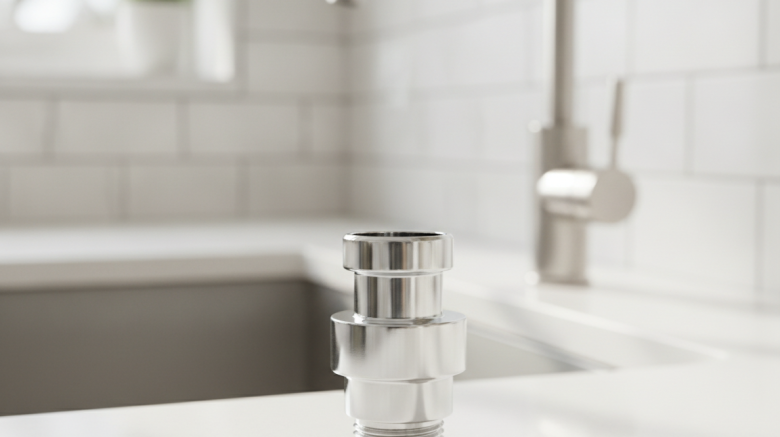
With the correct Sink Faucet To Hose Adapter, you can smoothly connect a garden-style hose to an indoor faucet. You will learn how a sink adapter works, which Kitchen Faucet Connectors fit common U.S. sinks, and why a Sink Connector Hose can be useful. It expands water access for tasks such as filling buckets, washing pets, or running a countertop filter.
Sink Faucet To Hose Adapter
This article covers common adapter styles along with IPS/NPT, compression, and related thread standards. You will also see how common supply sizes, especially 3/8-inch and 1/2-inch, affect connector choice. The guide also shows when a Kitchen Faucet Hose Attachment makes sense and when new supply lines or plumbing changes are the better long-term answer.
This article points you toward reliable part sources, including Installation Parts Supply for braided lines, fittings, and universal kits. After the opening section, you should have a clear understanding of sink faucet adapter options and everyday uses. That knowledge will help you choose the right Sink Adapter for your needs.
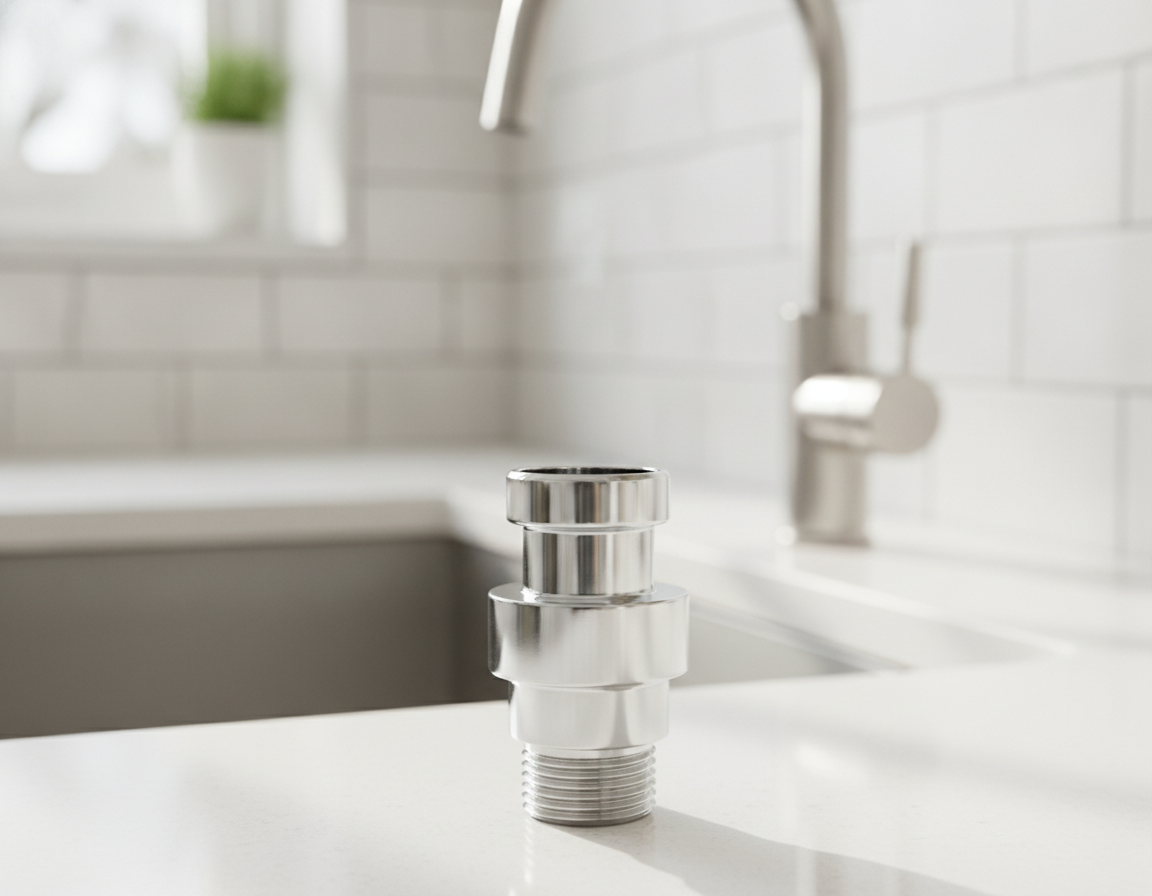
- A Sink Faucet To Hose Adapter lets you attach a garden-style hose from an indoor faucet safely.
- Kitchen Faucet Connector options commonly support 3/8-inch and 1/2-inch supply connections.
- Thread types to match include IPS/NPT and compression, and identifying your faucet style helps prevent leaks.
- Installation Parts Supply stocks braided supply lines, adapters, and kits for reliable hookups.
- Adapters are best for occasional tasks, while long-term or high-pressure setups may require supply-line replacement or replumbing.
Why Use A Sink Adapter For A Hose Connection: Practical Benefits And Everyday Uses
A sink adapter can make an ordinary faucet more versatile for routine water jobs. It can save time by reducing trips to an outdoor hose bib or garden tap. The adapter gives you convenient water access for household chores without major plumbing changes.
Common Uses That Make Daily Tasks Easier
A Sink Faucet To Hose Adapter is useful for topping up mop buckets, washing pets, and rinsing dirt from shoes or tools. A kitchen faucet hose attachment simplifies kitchen cleanup, especially for large pans or baking sheets. It is especially helpful in small apartments where counter space and outdoor access are limited.
Indoor Tasks Made Easier With A Kitchen Faucet Connector
Aquarium owners can refill tanks more easily instead of carrying bucket after bucket of water. Cooks can fill stockpots at the sink with less splashing. A sink connector hose can also support temporary plant watering, indoor irrigation, or light-duty portable pressure-washer use.
Filters And Water-Saving Attachments That Fit Adapters
Many faucet-mounted filters and aerators connect directly, while others require a small adapter kit. Filter brands like PUR, Aquasana, and Insinkerator often provide thread options that work with many standard adapters. Using a Sink Adapter allows quick switching between a filter and a hose, giving you filtered drinking water and unfiltered cleaning water when needed.
Practical Kit Notes And Fit Tips
Most adapter kits come with several inserts, washers, or fittings to suit different faucet styles. A dependable Kitchen Faucet Connector and sink connector hose set can prevent leaks and reduce cross-threading. For better durability, choose brass or stainless fittings and keep thread tape handy for pipe-thread connections that require sealing.
Common Adapter Types For Kitchen Faucets
A smooth hose hookup starts with selecting the correct connector. This section details common adapter styles. That way, you can find the right parts for your faucet more easily.
Threaded Adapters For Compression, IPS, And NPT Connections
Threaded faucet adapters connect compression tailpieces to pipe-thread systems. Compression fittings commonly use 3/8-inch or 1/2-inch nuts with a ferrule that creates the seal. IPS/NPT threaded connections usually need Teflon tape or pipe compound to create a watertight seal.
These adapters convert faucet outlets to female garden-hose or specific hose-thread fittings. The adapter must seal properly against the faucet side and the hose-thread side. A correct seal prevents leaks and keeps the connection stable.
Push-Fit And Quick-Connect Hose Adapters
Quick-connect kitchen faucet connectors can attach with a snap-on action instead of threaded rotation. Push-fit adapters can be convenient for modern valves and simple DIY work. They often eliminate the need for thread tape, pipe compound, or repeated wrench tightening.
Snap-in connectors rely on internal O-rings to create a sealed fit. Make sure the valve outlet is compatible with push-fit adapters. If your faucet has traditional compression or aerator threads, an intermediate fitting may be needed for a proper connection.
Universal Adapters And Multi-Size Kits For Bathroom And Kitchen Faucets
A universal faucet adapter or sink adapter kit is useful when the thread type is uncertain. Many kits include several threaded inserts, rubber washers, gaskets, and small fittings. They adapt to internal and external aerator threads.
Many multi-size kits contain six or more parts to cover common bathroom and kitchen aerator sizes and spout types. These sets save you from multiple store trips. They are also useful when older faucets must be matched to standard garden-hose fittings.
Identifying Faucet Threads And Sizes Before Purchase
Before buying a Sink Faucet To Hose Adapter, verify the thread type and size. Accurate faucet thread identification helps avoid leaks and saves time. The following steps are simple and require only basic tools.
Understanding 3/8-Inch And 1/2-Inch Faucet Supply Sizes
Modern bathroom faucets and many kitchen faucets use a 3/8-inch faucet size for supply connectors. These fittings have a compact nut and a short tailpiece.
Some kitchen faucets and older plumbing systems use 1/2-inch supply lines. This size has a larger nut and thicker tailpiece. Outdoor hose bibs commonly use 3/4-inch MHT, so indoor parts such as a Sink Connector Hose must be matched carefully with the right adapter.
Checking Compression Ferrules Versus IPS/NPT Threads
A compression fitting usually has a visible brass, copper, or plastic ferrule seated inside the nut. The ferrule creates the seal when the nut compresses it onto the tube. Do not use Teflon tape on compression ferrules because it can interfere with the seal.
IPS and NPT connections seal differently because the thread itself is part of the sealing method. NPT threads are tapered, so tightening them helps form the seal. IPS threads may be straight and may require a gasket or tape for sealing. Check markings like “3/8 COMP” or “1/2 IPS” so you can select the right Sink Faucet To Hose Adapter.
Simple Measurements For Connector Compatibility
For precise results, measure thread diameters with a caliper. When a caliper is not available, a 7/16-inch wrench check may provide a useful clue. A 3/8-inch thread should fit with minimal clearance.
Measure the distance between the shut-off valve outlet and the faucet tailpiece. Then add 2–4 inches so the supply line can route without strain. If you are unsure, take the old nut or your measurement to a parts supplier for guidance.
Completing these checks gives you the information needed to select the correct Sink Connector Hose or Sink Faucet To Hose Adapter with confidence. This process limits uncertainty and helps avoid mismatched threads or leaks.
Sink Faucet To Hose Adapter
A Sink Faucet To Hose Adapter allows an indoor faucet to accept a garden hose or flexible line. It bridges supply-line threads or compression fittings to a threaded or barbed outlet. That makes it useful for watering, filling containers, rinsing items, or handling temporary outdoor jobs. The right adapter helps create a tight seal and reduces leak risk when indoor plumbing must connect to garden-hose standards.
What A Sink Faucet To Hose Adapter Does And How It Differs From A Spigot Connection
An adapter converts common indoor faucet fittings into a hose-ready outlet. Indoor faucets use supply-line sizes such as 3/8-inch or 1/2-inch compression or IPS threads. Outdoor spigots, by contrast, feature 3/4-inch male hose thread designed for direct garden hose connection. A spigot is designed for hoses from the start, while an adapter is a conversion piece between indoor threads and hose standards.
Matching Hose Thread Standards To Faucet Fittings
Most garden hoses use 3/4-inch hose thread, commonly around 11.5 threads per inch. Adapters must convert the faucet’s female thread to 3/4-inch hose thread or provide a barbed fitting for flexible hose. Incorrect thread size or thread style can lead to cross-threading, leakage, restricted flow, and weak performance. Before purchase, measure the threads and check the pitch or turns per inch when possible.
Choosing Durable Materials: Brass, Stainless, And Plastic Adapter Options
Brass adapters are usually more durable than plastic and are better suited to repeated use. Stainless braided supply lines with a brass connector provide a strong semi-permanent solution for high-traffic setups. Plastic adapters cost less and may work for light duty, but they can crack, distort, or wear quickly if overheated or over-tightened.
When choosing sink adapter materials, consider how often the connection is used, how hot the water gets, and whether chemicals are present. For dependable service, choose braided stainless supply lines and brass adapters from trusted suppliers to minimize leak risks. The right kitchen faucet hose attachment, paired with a correctly matched 3/4-inch hose thread, helps produce a secure and low-trouble connection.
Step-By-Step Installation Guide For Attaching A Hose To A Sink Connector
A careful step-by-step process makes sink faucet adapter installation and sink connector hose installation much easier. This guide covers tools, faucet preparation, adapter fitting, and leak-testing tips. It is designed to help both DIYers and professionals achieve reliable results.
Tools And Parts Required
You will need an adjustable wrench, slip-joint pliers, and Teflon (PTFE) tape for IPS/NPT threads. Also keep a replacement aerator gasket or rubber washer ready. You will also need a Sink Faucet To Hose Adapter or a compatible adapter kit. For longer service life, use a braided stainless line or durable hose where appropriate.
Order quality components from trusted vendors. Installation Parts Supply fittings, braided lines, and related parts can support durable kitchen faucet connector installation.
Preparing The Faucet
Start by turning off the shut-off valves beneath the sink. Next, open the faucet so remaining water drains and pressure is released. This simple step helps prevent spills and mess during the installation.
Remove the aerator or spout tip and clean the threads and spout interior. Remove scale and debris so the adapter seats evenly. Check whether the aerator uses internal or external threads before choosing the adapter.
How To Attach The Adapter And Connect The Hose
Start the adapter by hand on the faucet spout to avoid cross-threading. For IPS/NPT threads, wrap 3–4 turns of Teflon tape clockwise on the male threads before installation. Avoid Teflon tape on compression fittings that seal with ferrules.
Tighten by hand, then use an adjustable wrench for up to a quarter-turn beyond hand-tight. Too much force can crush washers, deform ferrules, crack adapters, or create leaks. Connect the hose to the adapter, using a snug hand-tight finish plus a small quarter-turn for threaded hose ends, or a secure hose clamp for barbed fittings.
Leak-Testing Best Practices
Open the shut-off valve slowly to about 25 percent for the first 30 seconds. A slow start helps reduce water hammer and gives ferrules or washers time to seat. Watch each joint closely. Run a dry paper towel around the adapter, hose connection, and supply-line junctions to find tiny drips.
If a leak appears, stop, depressurize, and check for cross-threading or misaligned ferrules. For pipe-thread leaks, rewrap with Teflon tape and reinstall. Do not use full flow until the connection stays dry under low pressure.
Safety And Durable Choices
Replace old supply lines in pairs and favor braided stainless steel for long service life. Measure from the shut-off valve to the faucet and add 2–4 inches to choose the correct hose length. Installation Parts Supply fittings can help support durable kitchen faucet connector installation.
Sizing, Supply Lines, And When To Replace Or Re-Plumb
Choosing between a Sink Faucet To Hose Adapter and a full replacement depends on convenience versus long-term safety. Adapters are suitable for short-term or occasional use, such as filling a bucket or running a portable dishwasher for a weekend. They are most appropriate when plumbing is healthy, shut-off valves work well, and pressure or flow demands are not extreme.
If lines show visible wear, plumbing is old, or pressure and compatibility demands are high, replacement or replumbing may be needed. A braided stainless steel supply line can last 10–12 years and typically resists bursts better than braided nylon.
Adapter Use Versus Supply Line Replacement Or Replumbing
An adapter is appropriate for temporary connections or small thread differences, such as converting an aerator thread to a hose. They can save time and cost when the existing plumbing is sound and the supply line sizing matches.
Replace supply lines or schedule plumbing work when corrosion, leaks, or shut-off valve failures are present. Re-plumb for restricted flow, galvanic risk from incompatible materials, or a permanent capacity increase.
Recommended Supply Line Materials And Service Life
Braided stainless steel supply lines are a top kitchen choice because they resist abrasion and high pressure. They commonly last 10–12 years under normal conditions. PEX is flexible for new builds and resists freeze damage in many setups. Copper is long-lasting, but it is less flexible and generally more expensive to install. Braided nylon is light and inexpensive but not ideal for high-use kitchen faucets.
In hard-water areas or high-pressure homes above 80 PSI, inspect supply lines more frequently. If you see fraying, bulges, discoloration, rust, or mineral buildup near connections, replace the line sooner.
How Length, Pressure, And Threads Affect Leak Prevention
To size a supply line, measure from the shut-off valve outlet to the faucet tailpiece and add 2–4 inches for safe routing. Choose longer sizes to prevent strain on fittings.
Thread matching must be done carefully. Indoor supply fittings differ from outdoor spigots, and 3/4-inch garden hose thread is not the same as common indoor compression fittings. Mismatched threads and cross-threading are common causes of leaks, drips, and water damage.
Consider pressure ratings when choosing materials. Braided stainless steel supply lines are usually rated above normal residential pressure, which provides extra safety margin. If system pressure is high, consult a plumber before relying on an adapter long term or deciding when to replumb.
Common Problems, Troubleshooting, And Maintenance Tips
Connecting a hose to a sink may lead to minor leaks or fittings that are difficult to seat. A few quick checks and careful adjustments can make repairs easier. Regular attention helps avoid water damage over time.
Many leaks can be corrected by stopping, depressurizing, and restarting the threads by hand. Forcing the connection may create cross-threads very quickly. For compression fittings, make sure the ferrule is properly seated. Loosen the nut, push the ferrule fully onto the tube, then retighten according to the manufacturer’s recommendation.
For IPS/NPT threaded adapters, proper Teflon tape use is critical. Wrap tape clockwise when viewing the thread end, using three to four wraps. Do not use Teflon tape on compression fittings because it can prevent proper sealing and worsen leaks.
Push-fit connectors can leak when the tube is not fully seated or when the valve outlet does not match the fitting. Insert the pipe until it hits the internal stop, then give it a light pull to confirm it is locked. If the connector still will not hold after reseating, replace it.
Check adapters and supply lines every 6–12 months to reduce water-damage risk. Look for bulges, kinks, corrosion, and mineral buildup on aerators and gaskets. Braided stainless supply lines often last 10–12 years, although hard water, high pressure, and pressure spikes can reduce service life.
Place a drip pan and battery-powered water alarm in cabinets where hose connections are used often. These simple safeguards can alert you to slow leaks before they become expensive damage.
Do not over-tighten fittings if you want to reduce repair cycles. Begin threading by hand, then use a wrench for only about a quarter-turn beyond hand-tight. Over-torquing can crack plastic adapters, deform ferrules, or strip IPS threads.
Check fittings before purchase to avoid common compatibility problems. Never try to mate 3/4-inch garden-hose male thread directly to an indoor compression fitting without the correct adapter. Do not assume a push-fit connector works on every valve type.
| Issue | Probable Cause | Simple Solution |
|---|---|---|
| Leak at threaded adapter | Poor thread seal or cross-threading | Remove fitting, rewrap with 3–4 clockwise Teflon turns, hand-start, then tighten lightly |
| Leak at compression nut | Loose nut, bent tubing, or bad ferrule position | Back off the nut, align the ferrule, straighten the tube, and retighten carefully |
| Push-fit connector leaks | Tube not fully inserted or wrong valve outlet | Remove, inspect tube end, insert fully until stop, and replace if valve is incompatible |
| Slow cabinet drip | Worn hose, old line, or clogged aerator gasket | Replace supply line if 10+ years old or clean/replace gasket and aerator |
| Broken plastic adapter | Too much torque or physical impact | Replace with brass or stainless adapter and follow torque guidance |
During routine inspections, use this checklist for Sink Faucet To Hose Adapter troubleshooting. A few steady habits can reduce emergency repairs and keep water where it belongs.
Final Thoughts
Investing in a Sink Faucet To Hose Adapter is a cost-effective and practical way to improve indoor water access. Accurate thread matching is essential, especially when comparing 3/8-inch and 1/2-inch sizes or compression and IPS/NPT styles. Durable parts such as brass adapters and braided stainless supply lines can reduce failures. This approach supports a leak-free connection and helps prevent water damage.
Reliable parts from trusted suppliers are a key part of a successful installation. Use multi-size adapter kits when the thread type is uncertain. Instead of relying on temporary fixes, replace old supply lines for long-term safety. Do not use Teflon on compression ferrules; use pipe-thread sealant or Teflon on IPS/NPT threads and test the connection slowly.
Measure twice and plan the hose run to prevent stress on fittings. A final sink connector hose recap makes the point clear: correct selection, careful installation, and regular inspection help prevent water damage. Thoughtful choices and leak testing make the adapter a reliable, low-cost solution for many indoor tasks.